Getting from Niigata to Ehime3 Driving Routes (Hokuriku Expressway and Maizuru-Wakasa Expressway, Akashi Kaikyo Bridge and Seto-Ohashi Bridge) with an Overnight Stop on the Way, Times by Joetsu Shinkansen, Tokaido and Sanyo Shinkansen and Limited Express Shiokaze, Flights from Niigata Airport with a Change at Itami, Fukuoka or Chubu, the Ferry to Tsuruga Port, and Planning a Trip
For people traveling to Ehime from Niigata City, Nagaoka, Sanjo, Kashiwazaki, Joetsu, Itoigawa and other places in Niigata Prefecture, and for people who land at Niigata Airport and go on to Ehime. From official timetables and information, this page lists the distance, time and tolls of 3 driving routes (results of the NEXCO West Japan toll search) and how to plan an overnight stop on the way, the range of times when you change between the Joetsu Shinkansen, Hokuriku Shinkansen, the Tokaido and Sanyo Shinkansen and the Limited Express Shiokaze, the number of flights when you change at Itami, Fukuoka or Chubu from Niigata Airport, and the Shin Nihonkai Ferry sailings from Niigata Port to Tsuruga Port. It also covers how to go for visitors from abroad and foreign residents of Niigata, trip plan examples, and points to note on the Hokuriku Expressway and Shikoku roads this winter.
PR: This article has affiliate links to Amazon Japan at the end.
Summary
- Niigata-Chuo IC to Matsuyama IC is 906 to 939.8 km in the toll search. It takes 10 hours 21 minutes to 11 hours 3 minutes.
- From Niigata by 2 Shinkansen and the Limited Express Shiokaze to Matsuyama: 8 hours 11 minutes to 9 hours 12 minutes (our calculation).
- No flight from Niigata Airport goes to Matsuyama. Changing at Itami takes 3 hours 5 minutes to 5 hours 20 minutes (our calculation).
- Shin Nihonkai Ferry runs from Niigata Port to Tsuruga Port on Wednesdays, Fridays and Sundays (timetable page).
- No highway bus between Niigata and Matsuyama is listed on the Iyotetsu and JR Shikoku Bus pages.
Ways from Niigata to Ehime, Compared by Time and Fare
From Niigata Prefecture to Ehime, besides driving along the Hokuriku Expressway and across a bridge between Honshu and Shikoku, you can take the Joetsu Shinkansen to Tokyo, take the Tokaido and Sanyo Shinkansen and get off at Okayama, and take the Limited Express Shiokaze, or you can change planes at Itami, Fukuoka or Chubu from Niigata Airport, or take the ferry from Niigata Port to Tsuruga Port and drive to Matsuyama. The table below shows numbers checked on November 13, 2026, in the official timetables and information of each company and in the NEXCO West Japan toll search.
| Way | Where you get on or start | Where you arrive | Time | Departures | One-way fare (1 adult) |
|---|---|---|---|---|---|
| Car (Hokuriku Expressway, Maizuru-Wakasa Expressway, Hanshin Expressway, Akashi Kaikyo Bridge) | Niigata-Chuo IC (Ban-etsu Expressway) | Matsuyama IC | 11 hours 3 minutes, 906 km (toll search) | ― | Regular toll for a standard car 25,120 yen, ETC 21,600 yen (toll search, weekday) |
| Car (Hokuriku, Meishin, Shin-Meishin and Sanyo Expressways, Seto-Ohashi Bridge) | Niigata-Chuo IC | Matsuyama IC | 10 hours 21 minutes, 939.8 km (toll search) | ― | Regular 20,900 yen, ETC 18,910 yen (toll search, weekday) |
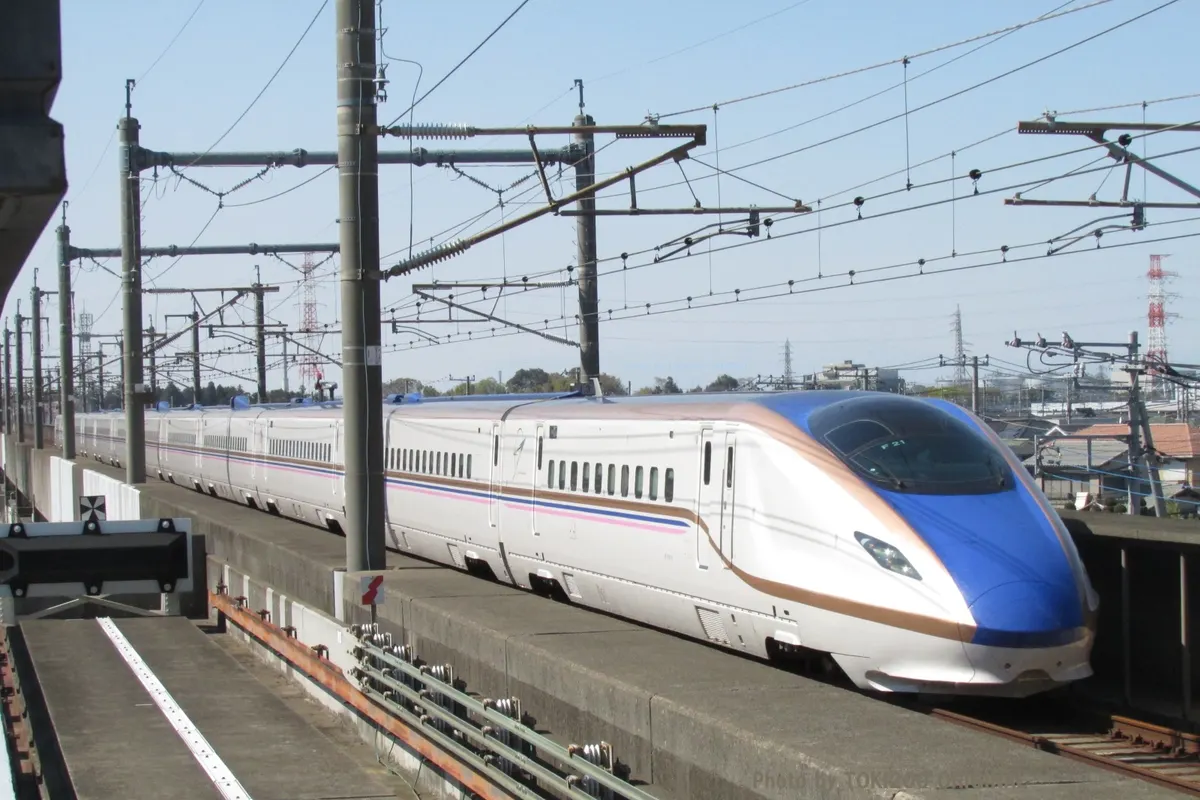
| Joetsu Shinkansen + Tokaido and Sanyo Shinkansen + Limited Express Shiokaze | JR Niigata Station (change at Tokyo and Okayama) | JR Matsuyama Station | 8 hours 11 minutes to 9 hours 12 minutes (connection examples, our calculation) | 38 Shinkansen trains toward Tokyo are listed for Niigata Station on weekdays. 14 Shiokaze trains from Okayama (to Matsuyama) | Through fare from Niigata not covered |
| Plane (from Niigata Airport, change at Itami) | Niigata Airport | Matsuyama Airport | 3 hours 5 minutes to 5 hours 20 minutes (combinations with a connection of 60 minutes or more, our calculation) | 10 flights a day from Niigata Airport to Itami, 9 flights a day from Itami to Matsuyama | Plane fares not covered |
| Ferry + car (Niigata Port to Tsuruga Port, then Tsuruga IC to Matsuyama IC) | Niigata Port (Shin Nihonkai Ferry) | Tsuruga Port. Then Tsuruga IC to Matsuyama IC | The ferry leaves Niigata at 17:30 and arrives at Tsuruga at 6:00 the next day (timetable page). Tsuruga IC to Matsuyama IC is 475.5 to 509.3 km, 5 hours 38 minutes to 6 hours 19 minutes (toll search) | Southbound from Niigata on Wednesdays, Fridays and Sundays | Passenger car (under 4 m long) 18,500 yen (includes the driver’s Tourist B or A fare, Period A) |
- The car numbers are results from the NEXCO West Japan toll and route search (高速料金・ルート検索), for a standard car leaving the IC at 9:00 on Tuesday, November 17, 2026. The time in the toll search is a guide that does not include breaks. The 3 routes, and the numbers from Niigata-Nishi, Nagaoka, Sanjo-Tsubame, Kashiwazaki, Joetsu, Itoigawa and Yuzawa ICs, are in “Driving” below.
- In the routes of Iyotetsu’s list of highway bus routes and the JR Shikoku Bus page, no highway bus between Niigata Prefecture and Matsuyama is listed. The highway bus page of Niigata Kotsu has a “Kyoto and Osaka line” (京都・大阪線), but the words Matsuyama, Ehime and Shikoku do not appear.
- The domestic flights of Matsuyama Airport go to Chubu, Fukuoka, Haneda, Itami, Kagoshima, Narita, Okinawa, Sapporo and Sendai, and Niigata is not among them (Matsuyama Airport domestic timetable page). Matsuyama is not among the destinations of Niigata Airport either (Niigata Airport timetable page).
The numbers match the list below and are not a driving order. Tap a number on the map, or "Navigate in Google Maps" in the list, to start directions to that place.
Point locations: © OpenStreetMap contributors (ODbL), GSI place name search, NEXCO West Japan toll and route search (positions of the ICs and JCTs)
- Itoigawa IC (糸魚川IC) (Hokuriku Expressway): An IC used as a starting point in the toll search. To Matsuyama IC by the 3 routes: 740.8 to 774.6 km, 8 hours 32 minutes to 9 hours 13 minutes.Navigate in Google Maps
- Joetsu IC (上越IC) (Hokuriku Expressway): An IC used as a starting point in the toll search. To Matsuyama IC by the 3 routes: 784.7 to 818.5 km, 9 hours 4 minutes to 9 hours 45 minutes.Navigate in Google Maps
- JR Joetsu-Myoko Station (上越妙高駅): A Hokuriku Shinkansen station. Of the 19 inbound trains toward Tokyo on weekdays, 16 arrive at Tokyo. From leaving Joetsu-Myoko to arriving at Tokyo: 1 hour 50 minutes to 2 hours 2 minutes (our calculation).Navigate in Google Maps
- Yuzawa IC (湯沢IC) (Kan-etsu Expressway): An IC used as a starting point in the toll search. To Matsuyama IC by the 3 routes: 929.3 to 995.9 km, 10 hours 42 minutes to 11 hours 25 minutes. The 3rd route goes from the Kan-etsu Expressway along the Ken-o and Tomei Expressways.Navigate in Google Maps
- Kashiwazaki IC (柏崎IC) (Hokuriku Expressway): An IC used as a starting point in the toll search. To Matsuyama IC by the 3 routes: 825.9 to 859.7 km, 9 hours 32 minutes to 10 hours 14 minutes.Navigate in Google Maps
- Nagaoka IC (長岡IC) (Kan-etsu Expressway): An IC used as a starting point in the toll search. To Matsuyama IC by the 3 routes: 851.8 to 885.6 km, 9 hours 48 minutes to 10 hours 29 minutes.Navigate in Google Maps
- JR Nagaoka Station (長岡駅): A Joetsu Shinkansen station. Of the 37 inbound trains toward Tokyo on weekdays, 36 arrive at Tokyo. From leaving Nagaoka to arriving at Tokyo: 1 hour 21 minutes to 1 hour 54 minutes (our calculation).Navigate in Google Maps
- Sanjo-Tsubame IC (三条燕IC) (Hokuriku Expressway): An IC used as a starting point in the toll search. To Matsuyama IC by the 3 routes: 876.2 to 910 km, 10 hours 2 minutes to 10 hours 44 minutes. All-day traffic restrictions for construction work are planned between Sanjo-Tsubame IC and Maki-Katahigashi IC (巻潟東IC) (see the section below).Navigate in Google Maps
- JR Tsubame-Sanjo Station (燕三条駅): A Joetsu Shinkansen station. Of the 34 inbound trains toward Tokyo on weekdays, 33 arrive at Tokyo. From leaving Tsubame-Sanjo to arriving at Tokyo: 1 hour 31 minutes to 2 hours 4 minutes (our calculation).Navigate in Google Maps
- Niigata-Nishi IC (新潟西IC) (Hokuriku Expressway): An IC used as a starting point in the toll search. To Matsuyama IC by the 3 routes: 901.7 to 935.5 km, 10 hours 18 minutes to 10 hours 59 minutes.Navigate in Google Maps
- Niigata-Chuo IC (新潟中央IC) (Ban-etsu Expressway): The IC used as the main starting point of the car toll search in this article. To Matsuyama IC by the 3 routes: 906 to 939.8 km, 10 hours 21 minutes to 11 hours 3 minutes.Navigate in Google Maps
- JR Niigata Station (新潟駅): A Joetsu Shinkansen station. Of the 38 inbound trains toward Tokyo on weekdays, 37 arrive at Tokyo. From leaving Niigata to arriving at Tokyo: 1 hour 31 minutes to 2 hours 16 minutes (our calculation). The limousine bus to Niigata Airport takes about 25 minutes (Niigata Airport).Navigate in Google Maps
- Niigata Airport Passenger Terminal Building (新潟空港 旅客ターミナルビル): Domestic flights go to Sapporo, Nagoya, Osaka (Itami), Kobe and Fukuoka, and international flights to Seoul and Taipei. There is no direct flight to Matsuyama, so you change at Itami, Fukuoka or Chubu.Navigate in Google Maps
- Fukui IC (福井IC) (Hokuriku Expressway): A possible Day 1 end point in the example with an overnight stop. From Niigata-Chuo IC by the Ban-etsu and Hokuriku Expressway route: 379.9 km, 4 hours 9 minutes. From Fukui IC to Matsuyama IC: 526.1 to 559.9 km (toll search).Navigate in Google Maps
- Tsuruga IC (敦賀IC) (Hokuriku Expressway): The IC used as the starting point in the toll search after you cross from Niigata Port to Tsuruga Port on the Shin Nihonkai Ferry. To Matsuyama IC by the 3 routes: 475.5 to 509.3 km, 5 hours 38 minutes to 6 hours 19 minutes.Navigate in Google Maps
- JR Tokyo Station (東京駅): The station where you change from the Joetsu Shinkansen or the Hokuriku Shinkansen to the Tokaido and Sanyo Shinkansen.Navigate in Google Maps
- Suita IC (吹田IC) (Meishin Expressway): A possible Day 1 end point in the example with an overnight stop. From Niigata-Chuo IC by the Ban-etsu, Hokuriku and Meishin route: 586.6 km, 6 hours 25 minutes (toll search).Navigate in Google Maps
- Okayama IC (岡山IC) (Sanyo Expressway): A possible Day 1 end point in the example with an overnight stop. From Niigata-Chuo IC by the Hokuriku, Meishin and Shin-Meishin route: 755.6 km, 8 hours 17 minutes. To Matsuyama IC: 184.2 km, 2 hours 5 minutes (toll search).Navigate in Google Maps
- JR Okayama Station (岡山駅): The station where you change from the Shinkansen to the Limited Express Shiokaze. 14 Shiokaze trains a day to Matsuyama (timetable for November 17).Navigate in Google Maps
- Sakaide IC (坂出IC): The IC where you enter Shikoku (Kagawa Prefecture) after crossing the Seto-Ohashi Bridge. On the 3rd route leaving Niigata-Chuo IC at 9:00, you pass it at 17:56 (toll search).Navigate in Google Maps
- Omishima IC (大三島IC): An IC on an island on the Ehime side of the Shimanami Kaido. From Niigata-Chuo IC: 837.6 to 860.8 km, 9 hours 38 minutes to 9 hours 59 minutes (toll search).Navigate in Google Maps
- Matsuyama IC (松山IC): The IC used as the end point of the car toll search in this article.Navigate in Google Maps
- JR Matsuyama Station (松山駅): The last stop of the Limited Express Shiokaze.Navigate in Google Maps
- Matsuyama Airport Passenger Terminal (松山空港 旅客ターミナルビル): Flights from Itami, Fukuoka, Chubu, Haneda, Narita and other airports arrive here. Another article lists the rental car companies at the airport.Navigate in Google Maps
Driving: 3 Routes in the Toll Search
When we searched from Niigata Prefecture to Matsuyama IC in the toll search without choosing a route, it gave 3 routes. The 1st goes from the Hokuriku Expressway onto the Maizuru-Wakasa Expressway and the Chugoku Expressway, then along the Rokko and Rokko-Kita Toll Roads, local roads and Hanshin Expressway Route 7 Kita-Kobe Route onto the Kobe-Awaji-Naruto Expressway, crosses the Akashi Kaikyo Bridge, and goes along the Tokushima and Kochi Expressways onto the Matsuyama Expressway. The 2nd goes from the Hokuriku Expressway along the Maizuru-Wakasa, Chugoku, Harima and Sanyo Expressways and crosses the Seto-Ohashi Bridge. The 3rd goes from the Hokuriku Expressway along the Meishin, Shin-Meishin and Sanyo Expressways and crosses the Seto-Ohashi Bridge.
The 3 routes from Niigata-Chuo IC to Matsuyama IC
In the NEXCO West Japan toll and route search, we searched from Niigata-Chuo IC (Ban-etsu Expressway) to Matsuyama IC. The conditions were a standard car leaving at 9:00 on Tuesday, November 17, 2026 for a weekday, and at 9:00 on Saturday, November 14 for a Saturday. The tolls are totals that include the JB Honshi Expressway sections.
| Starting IC | No. | Main roads (route in the toll search) | Bridge | Distance | Time | Regular toll | ETC (November 17, weekday) | ETC (November 14, Saturday) |
|---|---|---|---|---|---|---|---|---|
| Niigata-Chuo IC | 1st | Ban-etsu Expressway, Hokuriku Expressway, Maizuru-Wakasa Expressway, Chugoku Expressway, Rokko and Rokko-Kita Toll Roads, local roads, Hanshin Expressway Route 7 Kita-Kobe Route, Kobe-Awaji-Naruto Expressway, Takamatsu Expressway, Tokushima Expressway, Kochi Expressway, Matsuyama Expressway | Akashi Kaikyo Bridge | 906 km | 11 hours 3 minutes | 25,120 yen | 21,600 yen | 15,850 yen |
| Niigata-Chuo IC | 2nd | Ban-etsu Expressway, Hokuriku Expressway, Maizuru-Wakasa Expressway, Chugoku Expressway, Harima Expressway, Sanyo Expressway, Seto-Chuo Expressway, Takamatsu Expressway, Matsuyama Expressway | Seto-Ohashi Bridge | 926.7 km | 10 hours 58 minutes | 20,900 yen | 18,910 yen | 13,610 yen |
| Niigata-Chuo IC | 3rd | Ban-etsu Expressway, Hokuriku Expressway, Meishin Expressway, Shin-Meishin Expressway, Sanyo Expressway, Seto-Chuo Expressway, Takamatsu Expressway, Matsuyama Expressway | Seto-Ohashi Bridge | 939.8 km | 10 hours 21 minutes | 20,900 yen | 18,910 yen | 13,610 yen |
- Of the 3 routes, the shortest in time was the 3rd (Hokuriku, Meishin and Shin-Meishin Expressways, Seto-Ohashi Bridge) at 10 hours 21 minutes. The shortest in distance was the 1st, at 906 km, but it took the longest time, and its regular toll was also the highest of the 3.
- In the toll search, the section distances of the 1st route were 430.8 km (4 hours 44 minutes) on the Hokuriku Expressway, 161.8 km (2 hours 13 minutes) on the Maizuru-Wakasa Expressway, 5.3 km and 8.8 km on the Rokko and Rokko-Kita Toll Roads, 0.3 km on local roads, 15.3 km on Hanshin Expressway Route 7 Kita-Kobe Route, and 84 km on the Kobe-Awaji-Naruto Expressway. The toll search says a discount on the Rokko-Kita Toll Road may apply.
- By the passing times in the toll search (1st route, leaving Niigata-Chuo IC at 9:00 on a weekday), the route passed Tsuruga JCT at 13:45, Yoshikawa JCT at 15:58, Fusehata at 16:28, Naruto at 17:31, Kawanoe JCT at 19:06 and Matsuyama IC at 20:03. Breaks are not included.
- The passing times on the 2nd route were Tsuruga JCT at 13:45, Yoshikawa JCT at 15:58, Harima JCT at 17:07, Kurashiki JCT at 18:02, Sakaide at 18:33, Kawanoe JCT at 19:01 and Matsuyama IC at 19:58. The 3rd route was Maibara JCT at 14:12, Takatsuki JCT at 15:18, Kobe JCT at 15:45, Kurashiki JCT at 17:25, Sakaide at 17:56, Kawanoe JCT at 18:24 and Matsuyama IC at 19:21.
- On all 3 routes, the time at which the toll search says you pass Matsuyama IC is the same as the leaving time of 9:00 plus the time in the table (1st route: 20:03, 2nd route: 19:58, 3rd route: 19:21).
- The way back, from Matsuyama IC to Niigata-Chuo IC, was 906 km, 11 hours 3 minutes, regular toll 25,120 yen for the 1st route (Akashi Kaikyo Bridge), 926.7 km and 10 hours 58 minutes for the 2nd route, and 939.8 km and 10 hours 21 minutes for the 3rd route (the 2nd and 3rd routes cross the Seto-Ohashi Bridge, and the regular toll is 20,900 yen for both. Toll search, leaving at 9:00 on November 17).
- Toll search results change with the date and time you leave, the type of vehicle and ETC discounts. Search again before you leave, with the conditions of the day you drive.
- Numbers from ICs in all prefectures are in the row for Niigata Prefecture in the article on driving to Ehime from across Japan. They are the same numbers as for Niigata-Chuo IC (906 km, 11 hours 3 minutes, regular toll 25,120 yen).
Numbers from other ICs in the prefecture (Niigata-Nishi, Nagaoka, Sanjo-Tsubame, Kashiwazaki, Joetsu, Itoigawa, Yuzawa)
We also searched from other ICs in the prefecture with the same conditions (leaving at 9:00 on November 17, no route chosen). ETC is the weekday toll.
| Starting IC | 1st | 2nd | 3rd |
|---|---|---|---|
| Niigata-Nishi IC (Hokuriku Expressway) | 901.7 km, 10 hours 59 minutes, regular 25,020 yen, ETC 21,500 yen (Akashi Kaikyo Bridge) | 922.4 km, 10 hours 54 minutes, regular 20,900 yen, ETC 18,910 yen (Seto-Ohashi Bridge) | 935.5 km, 10 hours 18 minutes, regular 20,900 yen, ETC 18,910 yen (Seto-Ohashi Bridge) |
| Nagaoka IC (Kan-etsu Expressway) | 851.8 km, 10 hours 29 minutes, regular 24,020 yen, ETC 20,500 yen (Akashi Kaikyo Bridge) | 872.5 km, 10 hours 24 minutes, regular 19,900 yen, ETC 17,910 yen (Seto-Ohashi Bridge) | 885.6 km, 9 hours 48 minutes, regular 19,900 yen, ETC 17,910 yen (Seto-Ohashi Bridge) |
| Sanjo-Tsubame IC (Hokuriku Expressway) | 876.2 km, 10 hours 44 minutes, regular 24,520 yen, ETC 21,000 yen (Akashi Kaikyo Bridge) | 896.9 km, 10 hours 39 minutes, regular 20,400 yen, ETC 18,410 yen (Seto-Ohashi Bridge) | 910 km, 10 hours 2 minutes, regular 20,400 yen, ETC 18,410 yen (Seto-Ohashi Bridge) |
| Kashiwazaki IC (Hokuriku Expressway) | 825.9 km, 10 hours 14 minutes, regular 23,620 yen, ETC 20,100 yen (Akashi Kaikyo Bridge) | 846.6 km, 10 hours 9 minutes, regular 19,400 yen, ETC 17,410 yen (Seto-Ohashi Bridge) | 859.7 km, 9 hours 32 minutes, regular 19,400 yen, ETC 17,410 yen (Seto-Ohashi Bridge) |
| Joetsu IC (Hokuriku Expressway) | 784.7 km, 9 hours 45 minutes, regular 22,820 yen, ETC 19,300 yen (Akashi Kaikyo Bridge) | 805.4 km, 9 hours 40 minutes, regular 18,600 yen, ETC 16,610 yen (Seto-Ohashi Bridge) | 818.5 km, 9 hours 4 minutes, regular 18,600 yen, ETC 16,610 yen (Seto-Ohashi Bridge) |
| Itoigawa IC (Hokuriku Expressway) | 740.8 km, 9 hours 13 minutes, regular 22,010 yen, ETC 18,490 yen (Akashi Kaikyo Bridge) | 761.5 km, 9 hours 8 minutes, regular 17,800 yen, ETC 15,810 yen (Seto-Ohashi Bridge) | 774.6 km, 8 hours 32 minutes, regular 17,800 yen, ETC 15,810 yen (Seto-Ohashi Bridge) |
| Yuzawa IC (Kan-etsu Expressway) | 929.3 km, 11 hours 25 minutes, regular 25,520 yen, ETC 22,000 yen (Akashi Kaikyo Bridge) | 940.9 km, 11 hours 5 minutes, regular 25,700 yen, ETC 22,500 yen (Akashi Kaikyo Bridge) | 995.9 km, 10 hours 42 minutes, regular 21,400 yen, ETC 19,410 yen (Seto-Ohashi Bridge) |
- For the 6 ICs Niigata-Nishi, Nagaoka, Sanjo-Tsubame, Kashiwazaki, Joetsu and Itoigawa, the order was the same as for Niigata-Chuo IC. The 1st is the Akashi Kaikyo Bridge route from the Maizuru-Wakasa and Chugoku Expressways through Rokko and the Hanshin Expressway, the 2nd is the Seto-Ohashi Bridge route through the Maizuru-Wakasa, Chugoku, Harima and Sanyo Expressways, and the 3rd is the Seto-Ohashi Bridge route through the Meishin, Shin-Meishin and Sanyo Expressways. The difference between Niigata-Nishi IC and Niigata-Chuo IC is that the routes from Niigata-Chuo IC start on the Ban-etsu Expressway.
- The routes from Nagaoka IC go from the Kan-etsu Expressway onto the Hokuriku Expressway. The routes from Yuzawa IC also go from the Kan-etsu Expressway onto the Hokuriku Expressway, but the 3rd route from Yuzawa IC goes from the Kan-etsu Expressway onto the Ken-o Expressway, along the Tomei, Shin-Tomei, Isewangan, Shin-Meishin, Meishin and Sanyo Expressways, and across the Seto-Ohashi Bridge. Its time of 10 hours 42 minutes was the shortest of the 3, and its distance of 995.9 km was the longest.
- The 1st and 2nd routes from Yuzawa IC both cross the Akashi Kaikyo Bridge. The 2nd goes from the Hokuriku Expressway along the Meishin Expressway and the Keiji Bypass onto the Chugoku Expressway, and its regular toll of 25,700 yen was the highest of the 3.
- From Itoigawa, Joetsu and Kashiwazaki ICs, Matsuyama IC was closer than from Niigata-Chuo IC. The 3rd route from Itoigawa IC, at 774.6 km and 8 hours 32 minutes, was 2 hours 31 minutes shorter than the 1st route from Niigata-Chuo IC, at 906 km and 11 hours 3 minutes.
Routes searched with a chosen IC: Akashi Kaikyo Bridge, Shimanami Kaido
If you choose an IC to go through in the toll search, it gives numbers for other routes too (from Niigata-Chuo IC, leaving at 9:00 on November 17).
| IC chosen to go through | Shortest route in time among the results | Bridge | Distance | Time | Regular toll | ETC (weekday) |
|---|---|---|---|---|---|---|
| Awaji IC (淡路IC) (Kobe-Awaji-Naruto Expressway) | Ban-etsu Expressway, Hokuriku Expressway, Meishin Expressway, Shin-Meishin Expressway, Sanyo Expressway, Kobe-Awaji-Naruto Expressway, Takamatsu Expressway, Matsuyama Expressway | Akashi Kaikyo Bridge | 940.2 km | 10 hours 22 minutes | 22,310 yen | 19,940 yen |
| Nishiseto-Onomichi IC (西瀬戸尾道IC) (Shimanami Kaido) | Ban-etsu Expressway, Hokuriku Expressway, Meishin Expressway, Chugoku Expressway, Sanyo Expressway, National Route 2, Nishiseto Expressway, Imabari Bypass, Imabari-Komatsu Expressway, Matsuyama Expressway | Shimanami Kaido | 947.5 km | 11 hours 0 minutes | 22,810 yen | 20,840 yen |
- When we chose Awaji IC, the 1st route was the same as the 1st route with no route chosen, 906 km and 11 hours 3 minutes. The 2nd was a 923.6 km, 10 hours 42 minutes route that goes from the Maizuru-Wakasa and Chugoku Expressways and the Sanyo Expressway onto the Kobe-Awaji-Naruto Expressway, and its regular toll was 22,310 yen.
- When we chose Nishiseto-Onomichi IC, the 1st route was 924.3 km and 11 hours 21 minutes (regular toll 23,740 yen, ETC 21,770 yen), and the 2nd was 932 km and 11 hours 18 minutes (regular toll 22,810 yen, ETC 20,840 yen). The 1st route goes from the Chugoku Expressway onto the Bantan Road (播但連絡道路). The toll search says a discount on the Bantan Road may apply.
- The route through the Shimanami Kaido runs on ordinary roads in the sections where the expressways are not connected. In the toll search, it was National Route 2 from the Sanyo Expressway to Nishiseto-Onomichi IC, and the Imabari Bypass from Imabari IC to Imabari Yunoura IC.
Bridges on each route, and the roads after you reach Shikoku
| Route | Main bridges | Where you enter Shikoku | Roads to Matsuyama (route in the toll search) |
|---|---|---|---|
| Akashi Kaikyo Bridge and Awaji Island | Akashi Kaikyo Bridge, Ohnaruto Bridge | Naruto, Tokushima Prefecture | The 1st route goes along the Tokushima and Kochi Expressways, then the Matsuyama Expressway from Kawanoe JCT |
| Seto-Ohashi Bridge | Seto-Ohashi Bridge | Sakaide, Kagawa Prefecture | The Takamatsu Expressway from Sakaide JCT, then the Matsuyama Expressway from Kawanoe JCT |
| Shimanami Kaido | the bridges of the Shimanami Kaido (Nishiseto Expressway) | Imabari, Ehime Prefecture | Leave at Imabari IC, take the Imabari Bypass to the Imabari-Komatsu Expressway, then the Matsuyama Expressway from Iyo-Komatsu JCT |
On the Shimanami Kaido, you can leave at an IC on one of the islands on the Ehime side (Omishima, Hakatajima, Oshima) and stop along the way. Roads to the islands are in ways to cross to the islands of Ehime by car and tolls on the Shimanami Kaido. Toll and free sections in Ehime are in toll roads and free roads in Ehime, and ETC cards for rental cars and toll gate lanes are in the ETC article.
Planning an overnight stop on the way
Even on the shortest route, the time in the toll search is more than 10 hours without breaks. The numbers to possible places to stay were as follows (standard car, leaving Niigata-Chuo IC at 9:00 on November 17).
| Where Day 1 ends | Route | Distance | Time | Regular toll | Day 2 |
|---|---|---|---|---|---|
| Fukui IC (Hokuriku Expressway, Fukui Prefecture) | 1st (Ban-etsu and Hokuriku Expressways) | 379.9 km | 4 hours 9 minutes | 8,310 yen (ETC 8,310 yen) | From Fukui IC to Matsuyama IC: the 1st route is 526.1 km, 6 hours 55 minutes, regular 17,950 yen (ETC 14,430 yen, Akashi Kaikyo Bridge), the 2nd is 546.8 km and 6 hours 50 minutes, and the 3rd is 559.9 km and 6 hours 13 minutes (the 2nd and 3rd cross the Seto-Ohashi Bridge, and the regular toll is 13,790 yen, ETC 11,800 yen) (toll search) |
| Suita IC (Meishin Expressway, Osaka Prefecture) | 1st (Hokuriku, Meishin and Keiji Bypass) | 586.5 km | 6 hours 28 minutes | 12,300 yen (ETC 12,300 yen) | From Suita IC to Matsuyama IC, see the table of 3 routes in the article from Osaka to Ehime |
| Suita IC | Shortest in time (2nd, Hokuriku and Meishin Expressways) | 586.6 km | 6 hours 25 minutes | 12,300 yen (ETC 12,300 yen) | Same as above |
| Okayama IC (Sanyo Expressway) | 1st (Maizuru-Wakasa and Chugoku Expressways, Bantan Road, Sanyo Expressway) | 731.3 km | 8 hours 40 minutes | 15,790 yen (ETC 15,790 yen) | From Okayama IC to Matsuyama IC by the Seto-Ohashi Bridge route: 184.2 km, 2 hours 5 minutes, regular toll 8,120 yen (ETC 6,130 yen) (toll search) |
| Okayama IC | Shortest in time (3rd, Hokuriku, Meishin, Shin-Meishin and Sanyo Expressways) | 755.6 km | 8 hours 17 minutes | 15,100 yen (ETC 15,100 yen) | Same as above |
| Omishima IC (Shimanami Kaido, Imabari City) | 1st (Maizuru-Wakasa and Chugoku Expressways, Bantan Road, Sanyo Expressway, National Route 2) | 837.6 km | 9 hours 59 minutes | 19,530 yen (ETC 18,750 yen) | Visit the islands, then go on to Imabari and Matsuyama. The places in the Shimanami model course |
| Omishima IC | Shortest in time (3rd, Hokuriku, Meishin, Chugoku, Sanyo Expressways and National Route 2) | 860.8 km | 9 hours 38 minutes | 18,600 yen (ETC 17,820 yen) | Same as above |
- From Niigata-Chuo IC to Fukui IC, the toll search gave 3 routes with no route chosen. Besides the one in the table, the 2nd goes from the Joshin-etsu and Nagano Expressways along National Route 158 and the Abo-Toge Road onto the Tokai-Hokuriku Expressway, and is 530.2 km and 6 hours 48 minutes (regular toll 11,590 yen, ETC 11,220 yen). The 3rd goes along the Hokuriku, Tokai-Hokuriku and Tokai-Kanjo Expressways, the Meishin Expressway and the Hokuriku Expressway, and is 595.6 km and 7 hours 6 minutes (regular toll 8,310 yen). The closure of National Route 158 that the 2nd route uses is in the section below.
- From Niigata-Chuo IC to Suita IC, Okayama IC and Omishima IC, the toll search also gave 3 routes with no route chosen. The routes not in the table are: the 3rd to Suita IC, through the Tokai-Hokuriku Expressway, the Tokai-Kanjo Expressway and the Keiji Bypass, 607.8 km and 7 hours 17 minutes (regular toll 12,300 yen); the 2nd to Okayama IC, through the Maizuru-Wakasa, Chugoku and Sanyo Expressways, 739 km and 8 hours 37 minutes (regular toll 15,100 yen); and the 2nd to Omishima IC, through the Maizuru-Wakasa, Chugoku and Sanyo Expressways and National Route 2, 845.3 km and 9 hours 56 minutes (regular toll 18,600 yen, ETC 17,820 yen).
- If you stay in Osaka, there is also an overnight ferry that carries your car from Osaka Nanko (大阪南港) to Toyo Port (東予港) (Saijo City). Times and fares are in the article from Osaka to Ehime.
The National Route 158 closure (Nyukawa-cho, Takayama City, Gifu Prefecture)
The 2nd route to Fukui IC above goes from the Joshin-etsu and Nagano Expressways along National Route 158 and the Abo-Toge Road onto the Tokai-Hokuriku Expressway. The section distances were 40.5 km on National Route 158 from Matsumoto IC to Nakanoyu, 5.6 km on the Abo-Toge Road, and 40.3 km on National Route 158 from Hirayu to Takayama-nishi IC (toll search). The Gifu Prefecture Takayama Civil Engineering Office page on the National Route 158 closure (updated November 6, 2026) says the following.
令和8年2月25日午前5時頃、国道158号高山市丹生川町塩屋地区の山側において、土砂崩れが発生したため、同地内の国道158号は全面通行止めとなっています。 令和8年度末の全面通行止め解除に向けて、工事を進めておりますので、引き続き、国道41号・471号・361号などを利用した広域迂回にご協力をお願いします。
Translation: “At about 5:00 a.m. on February 25, Reiwa 8 (2026), a landslide occurred on the mountain side of National Route 158 in the Shioya area of Nyukawa-cho, Takayama City, and National Route 158 in that area is fully closed. Work is under way toward lifting the full closure at the end of fiscal year Reiwa 8 (March 2027), so we ask for your continued cooperation by taking wide-area detours using National Routes 41, 471, 361 and others.”
- The 3 routes to Matsuyama IC, and the other routes in the tables, do not use National Route 158. The trip plans in this article are also written for routes that do not use National Route 158.
- This article does not cover winter traffic restrictions (chain rules and winter tires) on the Abo-Toge Road and National Route 158.
On the way to Ehime, a side note: along the Hokuriku, Chugoku and Meishin Expressways, and around Awaji Island and the Seto-Ohashi Bridge
The routes in the toll search pass many Service Areas and Parking Areas on the Ban-etsu Expressway, the Hokuriku Expressway, the Maizuru-Wakasa Expressway, the Chugoku Expressway, the Meishin Expressway, the Shin-Meishin Expressway and the Sanyo Expressway, and sightseeing spots on Awaji Island and Yoshima. This site covers Ehime Prefecture, so this article does not cover the facilities of these Service Areas and Parking Areas or the sightseeing spots outside Ehime Prefecture. Service Areas and Parking Areas on the expressways in Ehime are in expressway Service Areas and Parking Areas in Ehime, and the observation points, Michi-no-Eki (roadside stations) and shrines on the islands on the Ehime side of the Shimanami Kaido are in the Shimanami Kaido viewpoints article and the Shimanami model course.
Taking Your Car on a Ferry: Niigata Port to Tsuruga Port
The Shin Nihonkai Ferry (新日本海フェリー) timetable and sailing schedule page has a “Tsuruga to Niigata” (敦賀~新潟) route between Niigata Port and Tsuruga Port. The page lists the southbound sailings from Niigata to Tsuruga as follows.
| Direction | Days of operation | Departure | Arrival |
|---|---|---|---|
| Southbound (leaves Niigata, arrives at Tsuruga) | Wednesdays, Fridays, Sundays | Leaves Niigata at 17:30 | Arrives at 06:00 the next day |
| Northbound (leaves Tsuruga, arrives at Niigata) | Tuesdays, Thursdays, Sundays | Leaves Tsuruga at 18:30 | Arrives at 06:00 the next day |
- Below the timetable, the page says 「※運航スケジュールが変則的になる場合がございます。」 (Translation: “※ The sailing schedule may be irregular.”), and tells you to see the sailing schedule (a monthly PDF) for the detailed dates. From the sailings leaving on January 12, 2027, the dock period schedule applies: southbound on Sundays leaves Niigata at 16:30 and arrives at Tsuruga at 5:30 the next day, and northbound on Mondays leaves Tsuruga at 9:30 and arrives at Niigata at 21:30.
- On the same company’s fare page, the “Tsuruga to Niigata” fare for Period A (November 1, 2026 to February 28, 2027, both southbound and northbound) is 8,600 yen per person for a passenger in Tourist B or A. The fare for carrying a passenger car is per car and includes the driver’s Tourist B or A fare: 16,000 yen for a car under 3 m long, 18,500 yen under 4 m, 22,000 yen under 5 m and 26,000 yen under 6 m. Elementary school children are half the adult fare, and for preschool children, 1 child per adult can sleep in the same bed free.
- From Tsuruga Port to Matsuyama IC, the toll search (from Tsuruga IC, leaving at 9:00 on November 17) gave 3 routes.
| Starting IC | No. | Main roads (route in the toll search) | Bridge | Distance | Time | Regular toll | ETC (weekday) |
|---|---|---|---|---|---|---|---|
| Tsuruga IC | 1st | Hokuriku Expressway, Maizuru-Wakasa Expressway, Chugoku Expressway, Rokko and Rokko-Kita Toll Roads, local roads, Hanshin Expressway Route 7 Kita-Kobe Route, Kobe-Awaji-Naruto Expressway, Takamatsu Expressway, Tokushima Expressway, Kochi Expressway, Matsuyama Expressway | Akashi Kaikyo Bridge | 475.5 km | 6 hours 19 minutes | 16,940 yen | 13,420 yen |
| Tsuruga IC | 2nd | Hokuriku Expressway, Maizuru-Wakasa Expressway, Chugoku Expressway, Harima Expressway, Sanyo Expressway, Seto-Chuo Expressway, Takamatsu Expressway, Matsuyama Expressway | Seto-Ohashi Bridge | 496.2 km | 6 hours 14 minutes | 12,840 yen | 10,850 yen |
| Tsuruga IC | 3rd | Hokuriku Expressway, Meishin Expressway, Shin-Meishin Expressway, Sanyo Expressway, Seto-Chuo Expressway, Takamatsu Expressway, Matsuyama Expressway | Seto-Ohashi Bridge | 509.3 km | 5 hours 38 minutes | 12,840 yen | 10,850 yen |
- The ferry fare from Niigata Port to Tsuruga Port, and the road from Tsuruga Port to Tsuruga IC, are not in this table. This article does not cover Shin Nihonkai Ferry routes other than Tsuruga to Niigata (such as the routes to Hokkaido), or boarding procedures and the location of the terminals.
- The other routes, such as Maizuru to Otaru, are mentioned in the ferry section of the article on driving to Ehime from across Japan.
Other Ways besides Driving: Joetsu Shinkansen, Plane, Highway Bus
Joetsu Shinkansen and Hokuriku Shinkansen, Tokaido and Sanyo Shinkansen, and Limited Express Shiokaze: change at Tokyo and Okayama
To go from Niigata to Matsuyama by rail, take the Joetsu Shinkansen to Tokyo, take the Tokaido and Sanyo Shinkansen to Okayama, and change to the Limited Express Shiokaze. From Joetsu-Myoko Station, take the Hokuriku Shinkansen to Tokyo.
- The JR East Niigata Station timetable (Joetsu Shinkansen, toward Echigo-Yuzawa, Takasaki and Tokyo, weekdays) lists 38 trains. 1 of them goes to Echigo-Yuzawa, and the other 37 arrive at Tokyo. Of the trains arriving at Tokyo, 24 have no mark for checking the operating days (◆), and the 13 with a ◆ run only on limited days. The first is Toki 300, and the last is Toki 346.
- In the timetable of each of the 37 trains arriving at Tokyo, the time between leaving Niigata and arriving at Tokyo was 1 hour 31 minutes to 2 hours 16 minutes (our calculation).
- The Nagaoka Station timetable (Joetsu Shinkansen, toward Tokyo, weekdays) lists 37 trains, 36 of which arrive at Tokyo, and the time between leaving Nagaoka and arriving at Tokyo was 1 hour 21 minutes to 1 hour 54 minutes. The Tsubame-Sanjo Station timetable lists 34 trains, 33 of which arrive at Tokyo, and the time was 1 hour 31 minutes to 2 hours 4 minutes.
- The Joetsu-Myoko Station timetable (Hokuriku Shinkansen, toward Nagano, Karuizawa, Takasaki, Omiya and Tokyo, weekdays) lists 19 trains, 16 of which arrive at Tokyo, and the time between leaving Joetsu-Myoko and arriving at Tokyo was 1 hour 50 minutes to 2 hours 2 minutes (all our calculation).
- In the Okayama Station timetable on JR West’s JR Odekake Net, there were 14 Limited Express Shiokaze trains to Matsuyama on Tuesday, November 17, 2026, from Shiokaze 1 to Shiokaze 27. Shiokaze 29 goes to Iyo-Saijo. For all 14, the operating days column says 「毎日運転」 (Translation: “runs daily”).
Allowing at least 15 minutes at Tokyo and at least 10 minutes at Okayama, we combined, for each Shiokaze train, a Tokaido and Sanyo Shinkansen in time for it and a Joetsu Shinkansen or Hokuriku Shinkansen in time for that (all weekday trains with no ◆ mark), using the times of each train in the JR East Tokyo Station timetable (our calculation).
| Starting station | Number of combinations | From leaving the starting station to arriving at Matsuyama | Wait at Tokyo | Wait at Okayama |
|---|---|---|---|---|
| Niigata | 9, for Shiokaze 11 to 27 | 8 hours 11 minutes (Toki 312, Nozomi 27, Shiokaze 15) to 9 hours 12 minutes (Toki 322, Nozomi 77, Shiokaze 25) | 20 to 44 minutes | 10 to 30 minutes |
| Nagaoka | 9, for Shiokaze 11 to 27 | 8 hours 15 minutes (Toki 302, Nozomi 19, Shiokaze 11) to 8 hours 50 minutes (Toki 322, Nozomi 77, Shiokaze 25) | 20 to 44 minutes | 10 to 30 minutes |
| Tsubame-Sanjo | 9, for Shiokaze 11 to 27 | 8 hours 25 minutes (Toki 302, Nozomi 19, Shiokaze 11) to 9 hours 0 minutes (Toki 322, Nozomi 77, Shiokaze 25) | 20 to 44 minutes | 10 to 30 minutes |
| Joetsu-Myoko | 8, for Shiokaze 13 to 27 | 8 hours 27 minutes (Hakutaka 560, Nozomi 39, Shiokaze 21) to 9 hours 33 minutes (Hakutaka 562, Nozomi 77, Shiokaze 25) | 20 to 56 minutes | 10 to 30 minutes |
- No Tokaido and Sanyo Shinkansen train in the Tokyo Station timetable was in time for Shiokaze 1 or 3. For the Shinkansen in time for Shiokaze 5, 7 and 9 (Nozomi 1, 9 and 15), there was no Joetsu Shinkansen from Niigata, Nagaoka or Tsubame-Sanjo that let you change at Tokyo with at least 15 minutes. From Joetsu-Myoko, there was no Hokuriku Shinkansen that let you change in time for Nozomi 19, which is in time for Shiokaze 11.
- Trains with a ◆ run only on limited days, so they are not included in the combinations. If they were included, there would be more trains to change to on some days.
- This article does not cover how much time you need to change from the Joetsu Shinkansen or the Hokuriku Shinkansen to the Tokaido Shinkansen at Tokyo Station. The 15 minutes above is a condition set by this site.
- The timetable sites of JR East and JR West both prohibit reproducing their timetable data, so this article does not list the times of each train. Check the times of the train you will take on each site, choosing the date (for JR West, from the top page of JR Odekake Net).
Fares and limited express charges
The JR Shikoku fare table for routes to Honshu (PDF) has columns only for the Shinkansen stations Tokyo, Nagoya, Kyoto, Shin-Osaka, Shin-Kobe, Hiroshima and Hakata, and no columns for Niigata, Nagaoka, Tsubame-Sanjo or Joetsu-Myoko. This article does not cover the through fare and charges from stations in Niigata Prefecture to Matsuyama. In the same table, Matsuyama to Tokyo (reserved seat, regular season) is 22,920 yen using Nozomi or Mizuho, and 22,280 yen using Hikari, Sakura or Kodama (the article from Tokyo to Ehime). Niigata to Tokyo costs extra, on top of this.
Plane: from Niigata Airport, changing at Itami, Fukuoka or Chubu
The destinations listed on the Niigata Airport timetable page are, for domestic flights, Sapporo (New Chitose), Sapporo (Okadama), Nagoya (Chubu Centrair), Nagoya (Komaki), Osaka (Itami), Kobe and Fukuoka, and for international flights, Seoul (Incheon) and Taipei (Taoyuan). Niigata is not among the domestic destinations of Matsuyama Airport, and there is no direct flight between Niigata and Matsuyama in the timetable of either airport. To fly from Niigata Airport to Matsuyama, you fly to an airport that has flights to Matsuyama and change planes.
| Airport where you change | Niigata Airport to the airport where you change (Niigata Airport timetable) | The airport where you change to Matsuyama Airport (Matsuyama Airport timetable up to November 30) |
|---|---|---|
| Itami Airport (Osaka International Airport) | 10 flights a day (ANA 3, ANA and IBEX codeshare 3, JAL 4) | 9 flights a day (ANA 7, JAL 2). Article from Osaka to Ehime |
| Fukuoka Airport | 3 flights a day (ANA and IBEX codeshare 2, JAL and FDA codeshare 1) | 4 flights a day (JAL). |
| Chubu Centrair International Airport | 2 flights a day (TOKI Air. The flights differ by day of the week) | 3 flights a day (IBEX). Article from Nagoya to Ehime |
- The period of the Niigata Airport timetable is October 25, 2026 to March 27, 2027. The JAL Itami column runs to January 4, 2027, and after that there are 6 Itami flights a day. For the Chubu flights of TOKI Air, the remarks tell you to check the latest information on the TOKI Air website. The number of flights counts a codeshare flight as 1 flight.
- Allowing a wait of at least 60 minutes at the airport where you change, and connecting each flight that leaves Niigata Airport to the earliest Matsuyama flight you can take the same day, the time from leaving Niigata to arriving at Matsuyama (our calculation, using the times for November 14 to 30) was 3 hours 5 minutes to 5 hours 20 minutes by way of Itami (8 of the 10 flights connect the same day), and 4 hours 20 minutes to 7 hours 0 minutes by way of Fukuoka (2 of the 3 flights). By way of Chubu, only 1 connection works on the flights of Tuesday, November 17, and it takes 8 hours 25 minutes.
- In the other direction, the Matsuyama Airport timetable shows 9 flights a day from Matsuyama to Itami (ANA 7, JAL 2), 4 to Fukuoka (JAL) and 3 to Chubu (IBEX). From Itami to Niigata Airport, the Niigata Airport timetable shows 10 flights a day (ANA 3, ANA and IBEX codeshare 3, JAL 4), and from Fukuoka to Niigata Airport 3 flights.
- Check with the airlines how much time you need to change, and whether you can book the 2 flights together. This article does not cover them. It also does not cover the fares of each airline.
- As of November 13, 2026, the Matsuyama Airport timetable covers up to November 30. For times from December, check the page of each airline.
- If you take the Shinkansen to Tokyo and fly from Haneda Airport to Matsuyama, the Matsuyama Airport timetable shows 12 flights a day both to and from Haneda (ANA 6, JAL 6), and the Narita route is 3 round trips a day of Jetstar Japan, some of whose flights have many days without service (for up to November 30). How to go from Tokyo Station to Haneda Airport and Narita Airport is in the article from Tokyo to Ehime.
From Niigata Station to Niigata Airport, the Niigata Airport bus page says the limousine bus takes about 25 minutes and the route bus about 33 minutes, and the fare between Niigata Station and the airport is 470 yen (child 240 yen).
Highway bus
In Iyotetsu’s list of highway bus routes and on the JR Shikoku Bus page, the words “Niigata”, “Joetsu”, “Nagaoka” and “Hokuriku” do not appear. The Niigata Kotsu highway bus page lists a “Kyoto and Osaka line”, but there is no bus to Matsuyama. This article does not cover the times and fares of the Kyoto and Osaka line, or the connection from Osaka onward.
Getting around after you reach Matsuyama
- Official travel times between Matsuyama Airport, JR Matsuyama Station, Matsuyama City Station and Matsuyama Kanko Port, and where the rental car offices near the stations are, are in the article on driving between the airport, stations and port in Matsuyama.
- How to pick up a rental car at Matsuyama Airport, business hours and ETC cards are in the list of 9 rental car companies at Matsuyama Airport.
- If you come to Ehime with a JR pass and switch to a rental car at the station, see the JR pass article.
- Official travel times from Matsuyama Airport to destinations in Ehime are in the quick reference of travel times from Matsuyama Airport.
Visitors from Abroad and Foreign Residents of Niigata
Landing at Niigata Airport, then going to Ehime
If you land at Niigata Airport from abroad and go to Ehime, use one of the ways above. The international flights in the Niigata Airport timetable (October 25, 2026 to March 27, 2027) are Seoul (Incheon) and Taipei (Taoyuan). The timetable says the Seoul flight is 1 round trip a day, and the Taipei flight operates only on Mondays and Fridays.
| Section | Way | Time and fare numbers |
|---|---|---|
| Niigata Airport to Niigata Station | Limousine bus or route bus | Limousine bus about 25 minutes, route bus about 33 minutes. 470 yen (child 240 yen) between Niigata Station and the airport (Niigata Airport) |
| Niigata Airport to Matsuyama | Domestic flight to Itami, Fukuoka or Chubu, and change | The numbers in the Plane section above (the number of flights and the range of our calculation) |
| Niigata Station to Matsuyama | Joetsu Shinkansen, Tokaido and Sanyo Shinkansen, and Limited Express Shiokaze | The numbers in the section above (connection examples) |
| From Niigata by car | Rental car and others | The numbers in “Driving” above |
| Narita or Haneda to Niigata | Joetsu Shinkansen from Tokyo Station | The numbers from the Niigata Station timetable above. How to go from Narita Airport and Haneda Airport to Tokyo Station is not covered in this article |
Ways to go without a car, by region across Japan, are in the article on getting to Ehime from across Japan without a car. This article does not cover how to go from stations in Niigata Prefecture to Niigata, Nagaoka, Tsubame-Sanjo and Joetsu-Myoko Stations.
Driving with a license from abroad
Licenses that let you drive in Japan are of 3 kinds: a Japanese license, an International Driving Permit in the 1949 Geneva Convention format, and a license from a listed country or region with a Japanese translation. How long you can drive and the documents rental car companies ask for are in driving a rental car in Ehime as a visitor from abroad. Road rules, ETC and phone numbers for emergencies are in the article for visitors driving around Ehime, in the order you prepare.
For foreign people who live in Niigata and have resident registration, the way the period you can drive with an International Driving Permit or a foreign license is counted may be different from that for visitors. The rule that a return to Japan after less than 3 months abroad does not start a new count, and the conditions for switching to a Japanese license, are in the foreign license article, with quotes from National Police Agency materials.
Trip Plan Examples: 4 Days and 3 Nights or 3 Days and 2 Nights from Niigata
This site’s model courses are written for renting a car at Matsuyama Airport. When you come from Niigata, you can combine the way there and back with a model course as below. The times are only the numbers in the tables above and in the model course articles.
Example 1: Drive, and stay 1 night in Okayama (4 days and 3 nights)
| Day | Plan | Time numbers |
|---|---|---|
| Day 1 | From Niigata-Chuo IC to Okayama IC via the Hokuriku, Meishin, Shin-Meishin and Sanyo Expressways. Stay in Okayama | Niigata-Chuo IC to Okayama IC is 755.6 km, 8 hours 17 minutes, regular toll 15,100 yen (toll search, leaving at 9:00 on November 17. Breaks are not included) |
| Day 2 | Cross the Seto-Ohashi Bridge to Matsuyama IC. Visit the places in the Dogo Onsen, Matsuyama Castle, Tobe and Michi-no-Eki Futami model course, and stay in Matsuyama | Okayama IC to Matsuyama IC is 184.2 km, 2 hours 5 minutes (toll search) |
| Day 3 | Visit 1 day of the Shimanami model course or the Nanyo model course, and stay in Matsuyama or Imabari | Section times are in the tables of the model course |
| Day 4 | From Matsuyama IC to Niigata-Chuo IC | Matsuyama IC to Niigata-Chuo IC is 939.8 km, 10 hours 21 minutes, regular toll 20,900 yen (3rd route, Seto-Ohashi Bridge) (toll search, leaving at 9:00 on November 17) |
Day 4 is also more than 10 hours without breaks, so you could stay 1 night in Okayama or Fukui on the way back too. The numbers from Niigata-Chuo IC to Fukui IC, Suita IC and Okayama IC are in the table in “Planning an overnight stop on the way” above.
Example 2: Go by Shinkansen and limited express, and rent a car at a station in Matsuyama (3 days and 2 nights)
| Day | Plan | Time numbers |
|---|---|---|
| Day 1 | From Niigata, take the Joetsu Shinkansen to Tokyo, the Tokaido and Sanyo Shinkansen to Okayama, and the Limited Express Shiokaze to JR Matsuyama Station. Stay at Dogo Onsen | Niigata to Matsuyama is 8 hours 11 minutes to 9 hours 12 minutes (our calculation. Check the trains for your date) |
| Day 2 | Rent a car at an office near the station, visit the Sadamisaki or the Omogo Gorge and Shikoku Karst model course, and stay in Matsuyama | Section times are in the tables of the model course |
| Day 3 | Return the rental car, take the Shiokaze to Okayama, and go home by Shinkansen | Check the times for the way back on the timetable pages of JR East and JR West, choosing the date |
Example 3: Fly from Niigata Airport with a change at Itami, and rent a car at Matsuyama Airport (3 days and 2 nights)
| Day | Plan | Time numbers |
|---|---|---|
| Day 1 | Fly from Niigata Airport to Itami Airport and change to a flight to Matsuyama. Rent a car at Matsuyama Airport, visit the places on Day 1 of the Nanyo model course (Uchiko, Ozu, Unomachi), and stay in Uwajima | 3 hours 5 minutes to 5 hours 20 minutes from leaving Niigata to arriving at Matsuyama (with a wait of 60 minutes or more at Itami, our calculation, using the times for November 14 to 30) |
| Day 2 | Visit the places on Day 2 of the Nanyo model course (Uwajima Castle, Yusu Mizugaura Terraced Fields), and go back to Matsuyama to stay | Section times are in the table of the Nanyo model course |
| Day 3 | Visit the places in the Dogo Onsen and Matsuyama Castle model course, return the rental car, fly from Matsuyama to Itami, and change to a flight to Niigata Airport | 9 flights a day from Matsuyama to Itami, and 10 flights a day from Itami to Niigata (timetables). Check the connection time with the airline |
Other model courses (the foot of Mt. Ishizuchi and Saijo and others) can be swapped in the same way, if you fit the first and last days to the flight or train times.
Example 4: Take your car on the ferry to Tsuruga, and drive to Matsuyama (4 days and 3 nights, including 1 night on the ship)
| Day | Plan | Time numbers |
|---|---|---|
| Day 1 | From Niigata Port to Tsuruga Port on the southbound Shin Nihonkai Ferry. Stay on the ship | Leaves Niigata at 17:30 and arrives at Tsuruga at 6:00 the next day (Wednesdays, Fridays and Sundays. Check the sailing schedule). Passenger car under 4 m 18,500 yen (includes the driver’s fare, Period A) |
| Day 2 | Drive from Tsuruga IC to Matsuyama IC, and stay in Matsuyama | Tsuruga IC to Matsuyama IC is 5 hours 38 minutes to 6 hours 19 minutes (toll search, leaving at 9:00. Breaks and the time to leave the ferry are not included) |
| Day 3 | Visit 1 day of the Dogo Onsen and Matsuyama Castle model course or the Shimanami model course | Section times are in the tables of the model course |
| Day 4 | Head from Matsuyama IC toward Niigata. The ferry back goes from Tsuruga Port to Niigata Port (northbound, Tuesdays, Thursdays and Sundays) | For the way back by road, search the toll search again with the conditions of the day you drive |
Points to Note When Going from Niigata This Autumn, in Winter and over the New Year Holidays
Winter tire and chain restrictions on the Hokuriku Expressway, and preventive closures
All 3 routes from Niigata-Chuo IC to Matsuyama IC use the Hokuriku Expressway (toll search). The October 26 notice of NEXCO East Japan is about the snowfall forecast for Hokkaido and northern Tohoku, and says the following about winter tires.
各地で降雪期に入りますが、ノーマルタイヤで積雪、凍結道路を運転するのは法令違反となりますので、必ず冬用タイヤ装着をお願いします。
Translation: “Snowfall season is beginning in many places. Driving on snowy or frozen roads with normal tires is against the law, so please be sure to fit winter tires.”
The same notice says it gives information on closures and chain restrictions on the official website and also on the official X account, LINE and other channels, and it lists “NEXCO East Japan (Niigata)” (NEXCO東日本(新潟)) as an official X account.
The NEXCO West Japan winter tires page says the following.
冬用タイヤ規制を行っている場合は、冬用タイヤ(スタッドレスタイヤやスノータイヤなど)またはタイヤチェーンなどのすべり止め装置を装着していない車は走行できません。
Translation: “When winter tire restrictions are in effect, vehicles that do not have winter tires (studless tires, snow tires and so on) or non-slip devices such as tire chains cannot drive.”
The page on safety and peace of mind on expressways in winter says the following about heavy snow.
気象予測情報により大雪が予測される場合は、現地状況等を踏まえ、関係機関と調整のうえ予防的通行止めや並行国道との同時通行止めを実施します。
Translation: “When heavy snow is forecast by weather information, we will, taking local conditions into account and after coordinating with the related organizations, carry out preventive closures and simultaneous closures with the parallel national routes.”
The NEXCO Central Japan page on points to note when driving on expressways in winter says the following about the sections with chain restrictions.
NEXCO中日本が管理する高速道路で「チェーン規制」がおこなわれる区間は、中央道の「飯田山本IC~園原IC」、「須玉IC~長坂IC」、北陸道の「丸岡IC~加賀IC」、「木之本IC~今庄IC」の4か所です。
Translation: “On expressways managed by NEXCO Central Japan, the sections where ‘chain restrictions’ are carried out are 4 places: the Chuo Expressway ‘Iida-Yamamoto IC to Sonohara IC’ and ‘Sutama IC to Nagasaka IC’, and the Hokuriku Expressway ‘Maruoka IC to Kaga IC’ and ‘Kinomoto IC to Imajo IC’.”
- This article does not cover the chain restriction sections and preventive closure sections on the Hokuriku, Kan-etsu, Ban-etsu and Joshin-etsu Expressways in Niigata Prefecture this winter (fiscal year 2026). Check the traffic information of NEXCO East Japan, NEXCO Central Japan and NEXCO West Japan on the day before you leave and on the day.
- A record of the preventive closures on expressways in Niigata Prefecture in January 2026, last winter, is in “2026 record (ended)” below.
- Winter closures of mountain roads in Ehime and winter tires are in before driving Ehime’s mountain roads in winter, and preparation is in what to prepare before driving Ehime’s mountain roads in winter.
Work on the Hokuriku Expressway (November)
- The April 10 notice of the Niigata Branch of NEXCO East Japan lists planned all-day traffic restrictions (excluding closures) from May 12 (Tuesday) to November 30 (Monday) between Sanjo-Tsubame IC and Maki-Katahigashi IC (both directions) on the Hokuriku Expressway, for bridge deck replacement work. November 17, the date we used in the toll search, is also within this planned period. Check the latest restrictions on “Dora-Tora” (ドラとら), which the page points to.
- The NEXCO Central Japan notice of the 2026 Hokuriku Expressway renewal work says that from May 7, renewal work (continuous day and night two-way traffic restrictions, night closures and so on) will be carried out in 11 sections between Maibara IC and Tateyama IC. It says that at the Tedorigawa Bridge between Komatsu IC and Mikawa IC, work will continue through the Golden Week and Obon periods until December 25, 2026 (Friday). It says that during the work the number of lanes goes from 2 to 1 in each direction, so congestion is expected during the morning and evening commuting hours and on holidays.
- The table “IC closures and others” (IC閉鎖など) in the same notice says that at Kanazawa-Higashi IC (inbound), the entrance toward Maibara is not available all day from August 31 (Monday) to November 18 (Wednesday). As of November 13, this period has not ended.
The Honshi Expressway closes early when strong wind is expected
JB Honshi Expressway’s requests for traffic safety page says the following about strong wind.
本四高速では、強風が予想される場合、早めに全車通行止めを実施しています。強風時は、特に走行に注意し、横転事故防止にご協力ください。
Translation: “On the Honshi Expressway, when strong wind is expected, we close the road to all vehicles early. In strong wind, please drive with special care and help prevent rollover accidents.”
Closures on all 3 bridge routes are listed together on the Honshi Expressway closure information page. At 10:24 on November 13, the Kobe-Awaji-Naruto Expressway, the Seto-Chuo Expressway and the Nishiseto Expressway all said 「通行止めはありません。」 (Translation: “There are no closures.”). For the way home when flights or ferries stop, see the article on cancellations.
Night closures on Shikoku expressways (November)
Of the NEXCO West Japan night closure notices, the ones related to the routes in this article are as follows.
| Section | Dates | Related route |
|---|---|---|
| Tokushima Expressway, Naruto JCT to Donari IC, and Tokushima-Nanbu Expressway, Tokushima JCT to Tokushima-Okinosu IC (both directions) | From the night of November 4 (Wednesday) to the morning of November 20 (Friday), 12 nights excluding Saturdays and Sundays | 1st route (from the Akashi Kaikyo Bridge through the Tokushima and Kochi Expressways) |
| Imabari-Komatsu Expressway, Imabari Yunoura IC to Iyo-Komatsu JCT/IC (both directions) | From the night of November 10 (Tuesday) to the morning of November 19 (Thursday), 7 nights excluding Saturdays and Sundays. Spare days from the night of November 19 (Thursday) to the morning of November 21 (Saturday) | Route through the Shimanami Kaido |
As of November 13, 2026, both are in the middle of their planned periods. The page says 「※天候等により予備日に順延する場合があります。」 (Translation: “※ It may be postponed to the spare days because of weather or other reasons.”). In the toll search leaving Niigata-Chuo IC at 9:00, the 1st route passes Naruto at 17:31, and the 3rd route passes Sakaide at 17:56. If your drive on the Shikoku sections runs into the night, check the sections you use on this page. This article does not cover planned work on the Honshu side, such as on the Maizuru-Wakasa, Chugoku, Meishin and Shin-Meishin Expressways, other than the work on the Hokuriku Expressway above.
Days without the holiday discount, and the New Year holidays
The expressway holiday discount is applied by East Nippon Expressway, Central Nippon Expressway, West Nippon Expressway, Honshu-Shikoku Bridge Expressway (JB Honshi Expressway) and the Miyagi Prefecture Road Public Corporation, except in periods of heavy traffic and other times. In the calendar of JB Honshi Expressway’s “notice of days the holiday discount applies in fiscal year 2026” (2026年度における休日割引適用日のお知らせ), these are the excluded days among Saturdays, Sundays and holidays from November 13, 2026 to the end of the fiscal year.
| Month | Excluded days |
|---|---|
| November 2026 | 21 (Sat), 22 (Sun), 23 (Mon) |
| December 2026 | 26 (Sat), 27 (Sun) |
| January 2027 | 1 (Fri), 2 (Sat), 3 (Sun), 9 (Sat), 10 (Sun), 11 (Mon) |
| March 2027 | 20 (Sat), 21 (Sun), 22 (Mon) |
Roads, ferries and rental car schedules over the New Year holidays are in the article on driving around Ehime over the New Year holidays.
2026 record (ended)
This section is a record of the ended work on the Hokuriku Expressway and in Shikoku, and of the preventive closures of last winter.
Preventive closures on expressways in Niigata Prefecture (January 2026, ended)
The NEXCO East Japan notice (January 22, Reiwa 8) says the following.
1/21(水)20時より実施しておりました新潟県内と長野県北部の高速道路における予防的通行止めにつきまして、1/22(木)7時をもってすべて解除となりました。
Translation: “Regarding the preventive closures of expressways in Niigata Prefecture and northern Nagano Prefecture that had been carried out since 20:00 on 1/21 (Wed), all were lifted at 7:00 on 1/22 (Thu).”
The title of this notice says the closures were preventive closures of the Hokuriku, Kan-etsu and Joshin-etsu Expressways.
Work on the Hokuriku, Kan-etsu and Ban-etsu Expressways and part of the Hokuriku Expressway renewal whose planned dates have passed (2026, ended)
- Of the April 10 notice of the Niigata Branch of NEXCO East Japan, the all-day traffic restrictions for bridge deck replacement work on the Kan-etsu Expressway between Minakami IC and Yuzawa IC (both directions) were planned for May 7 (Thursday) to July 31 (Friday). The night closures of the Ban-etsu Expressway (4 sections, May 11 to June 26), the night closures of the Nihonkai-Tohoku Expressway (2 sections, June 8 to 26), and the night ramp closures such as the exit ramp of the Hokuriku Expressway Niigata-Chuo JCT (outbound) have passed their planned dates.
- Of the NEXCO Central Japan notice of the Hokuriku Expressway renewal work, the all-day closure of Tone Parking Area (inbound) was planned for September 2 (Wednesday) to November 12 (Thursday), and its planned dates have passed. The closure of the entrance of Kanazawa-Higashi IC (inbound) from May 19 to July 25 has also passed its planned dates.
Night closures on Shikoku expressways whose planned dates have passed (October 2026)
These are sections on NEXCO West Japan’s Shikoku night closure page. When we looked on November 13, 2026, the rows for both sections said 「工事は無事終了しました。ご理解・ご協力ありがとうございました。」 (Translation: “The work has ended without trouble. Thank you for your understanding and cooperation.”).
| Section | Dates | Related route |
|---|---|---|
| Tokushima Expressway, Donari IC to Igawa-Ikeda IC (both directions) | From the night of October 8 (Thursday) to the morning of October 17 (Saturday), 5 nights excluding Saturdays, Sundays and holidays | 1st route (from the Akashi Kaikyo Bridge through the Tokushima and Kochi Expressways) |
| Tokushima Expressway, Donari IC to Kawanoe-higashi JCT (both directions) | From the night of October 19 (Monday) to the morning of October 31 (Saturday), 10 nights excluding Saturdays and Sundays | 1st route (same as above) |
Not covered in this article
- The through fare and charges for the Shinkansen and limited express from Niigata, Nagaoka, Tsubame-Sanjo and Joetsu-Myoko to Matsuyama (the JR Shikoku fare table for routes to Honshu has no columns for stations in Niigata Prefecture).
- Combinations by Shinkansen and limited express from stations in Niigata Prefecture other than the 4 stations whose timetables this article uses, such as Echigo-Yuzawa and Itoigawa.
- The fares for the flights among Niigata, Itami, Fukuoka, Chubu and Matsuyama, and the times from December (as of November 13, 2026, the Matsuyama Airport timetable covers up to November 30), and connections using Kansai Airport or Kobe Airport.
- How much time you need to change from the Joetsu Shinkansen or the Hokuriku Shinkansen to the Tokaido Shinkansen at Tokyo Station.
- Shin Nihonkai Ferry routes other than Tsuruga to Niigata, boarding procedures and the location of the terminals at Niigata Port and Tsuruga Port, the name of the ship for each sailing in the sailing schedule, and costs other than the ferry fare from Niigata Port to Tsuruga Port.
- The times and fares of the Niigata Kotsu Kyoto and Osaka line, and the connection from Osaka onward.
- How to go from places in Niigata Prefecture to Niigata Station, Niigata Airport, Nagaoka Station, Tsubame-Sanjo Station and Joetsu-Myoko Station (except the bus from Niigata Station to Niigata Airport).
- The winter tire restriction, chain restriction and preventive closure sections on the Hokuriku, Kan-etsu, Ban-etsu and Joshin-etsu Expressways in Niigata Prefecture this winter, and winter restrictions on parallel national routes such as National Routes 8 and 18.
- Winter traffic restrictions (chain rules and winter tires) on the Abo-Toge Road and National Route 158.
- The latest restrictions between Sanjo-Tsubame IC and Maki-Katahigashi IC on the Hokuriku Expressway and for the Hokuriku Expressway renewal work, planned work on other expressways on the Honshu side such as the Hokuriku, Maizuru-Wakasa, Chugoku, Meishin and Shin-Meishin Expressways, the facilities of the Service Areas and Parking Areas, and information on sightseeing spots outside Ehime Prefecture.
Sources
- 高速料金・ルート検索 | NEXCO西日本 (retrieved November 13, 2026)
- 国道158号(高山市丹生川町塩屋地区)土砂崩れによる通行止めについて - 岐阜県公式ホームページ(高山土木事務所) (retrieved November 13, 2026)
- 時刻表 新潟駅 上越新幹線:JR東日本 (retrieved November 13, 2026)
- 時刻表 長岡駅 上越新幹線:JR東日本 (retrieved November 13, 2026)
- 時刻表 燕三条駅 上越新幹線:JR東日本 (retrieved November 13, 2026)
- 時刻表 上越妙高駅 北陸新幹線:JR東日本 (retrieved November 13, 2026)
- 時刻表 東京駅 東海道・山陽新幹線:JR東日本 (retrieved November 13, 2026)
- JRおでかけネット (retrieved November 13, 2026)
- 本州方面等の運賃・料金表 (retrieved November 13, 2026)
- (本州方面への運賃・料金表、JR四国、PDF) (retrieved November 13, 2026)
- 時刻表 | 新潟空港 (retrieved November 13, 2026)
- 大阪(伊丹) | 新潟空港 (retrieved November 13, 2026)
- 福岡 | 新潟空港 (retrieved November 13, 2026)
- 名古屋(中部国際) | 新潟空港 (retrieved November 13, 2026)
- ソウル(仁川) | 新潟空港 (retrieved November 13, 2026)
- 台北(桃園) | 新潟空港 (retrieved November 13, 2026)
- バス(新潟駅) | 新潟空港 (retrieved November 13, 2026)
- 国内線時刻表|松山空港 (retrieved November 13, 2026)
- 大阪(伊丹)|国内線時刻表|松山空港 (retrieved November 13, 2026)
- 福岡|国内線時刻表|松山空港 (retrieved November 13, 2026)
- 愛知(中部)|国内線時刻表|松山空港 (retrieved November 13, 2026)
- 東京(羽田)|国内線時刻表|松山空港 (retrieved November 13, 2026)
- 成田|国内線時刻表|松山空港 (retrieved November 13, 2026)
- 高速バス | 伊予鉄 (retrieved November 13, 2026)
- 高速バス・路線バス「JR四国バス」公式サイト (retrieved November 13, 2026)
- 高速乗合バス | 新潟交通 (retrieved November 13, 2026)
- 時刻表・運航スケジュール - 新日本海フェリー|舞鶴・敦賀・新潟・秋田と北海道を結ぶフェリー航路。 (retrieved November 13, 2026)
- 運賃 - 新日本海フェリー|舞鶴・敦賀・新潟・秋田と北海道を結ぶフェリー航路。 (retrieved November 13, 2026)
- 交通安全のためのお願い | 安全にご利用いただくために | JB本四高速 (retrieved November 13, 2026)
- 本四高速道路通行止め情報 | 交通情報 | JB本四高速 (retrieved November 13, 2026)
- 2026年度における休日割引適用日のお知らせ | お知らせ | JB本四高速 (retrieved November 13, 2026)
- 徳島道・徳島南部道・松山道・今治小松道・高知道 維持修繕工事・建設工事のため夜間通行止 | NEXCO 西日本の高速道路・交通情報 渋滞・通行止め情報 (retrieved November 13, 2026)
- 冬用タイヤ | NEXCO西日本 (retrieved November 13, 2026)
- 冬の高速道路の安全・安心について | NEXCO西日本 (retrieved November 13, 2026)
- 北海道、東北地方北部で10月27日(火)から降雪予報が出ております~冬用タイヤを装着してください!~(10月26日14時発表) | NEXCO東日本 (retrieved November 13, 2026)
- 冬場に高速道路を走行する場合の注意点は? | 交通 | よくあるご質問 | お問い合わせ | 企業情報 | 高速道路・高速情報はNEXCO 中日本 (retrieved November 13, 2026)
- 【E8】北陸道・【E17】関越道・【E49】磐越道・【E7】日東道 ゴールデンウィーク以降の大規模な通行規制・通行止め・ランプ閉鎖 | NEXCO東日本 (retrieved November 13, 2026)
- —2026年度北陸道リニューアル工事— E8 北陸道 米原IC~立山ICのうち11区間でリニューアル工事を実施します ~ご利用時間帯の変更のご検討をお願いいたします~ | ニュースリリース | プレスルーム | 企業情報 | 高速道路・高速情報はNEXCO 中日本 (retrieved November 13, 2026)
- 大雪による北陸道、関越道、上信越道の予防的通行止めは7時にすべて解除しました~ご協力いただきありがとうございました~(1月22日7時発表) | NEXCO東日本 (retrieved November 13, 2026)
- OpenStreetMap(地点の位置。© OpenStreetMap contributors、ODbL) (retrieved November 13, 2026)
Related articles
- Getting from Tokyo to Ehime: 3 Driving Routes (Akashi Kaikyo Bridge, Seto-Ohashi Bridge, Shimanami Kaido) with an Overnight Stop on the Way, Times and Fares by Plane, Shinkansen and Limited Express, Sleeper Express, Night Bus and the Tokyo to Tokushima Ferry, How to Go from Haneda and Narita, and Planning a Trip
- Getting from Gunma to Ehime: 3 Driving Routes (Nagano Expressway and Abo-Toge Road, Ken-o Expressway and Tomei Expressway) with an Overnight Stop on the Way, the National Route 158 Closure, Times by Shinkansen and Limited Express or Sleeper Express, Airport Buses to Haneda Airport and Flights, and Planning a Trip
- Getting from Osaka to Ehime: 3 Driving Routes (Akashi Kaikyo Bridge, Seto-Ohashi Bridge, Shimanami Kaido), Times and Fares by Plane, Shinkansen and Limited Express, Highway Bus and Overnight Ferry, How to Go from Kansai Airport, and Planning 3 Days and 2 Nights
- Getting from Kyoto to Ehime: 3 Driving Routes (Akashi Kaikyo Bridge, Seto-Ohashi Bridge, Shimanami Kaido), Times and Fares by Shinkansen and Limited Express and by Highway Bus, Flight Times and Numbers from Itami, How to Go from Kansai Airport via Kyoto, and Planning a Trip
- Getting from Nagoya to Ehime: 3 Driving Routes (Akashi Kaikyo Bridge, Seto-Ohashi Bridge, Shimanami Kaido), Times and Fares by Plane, Shinkansen and Limited Express and Night Bus, How to Go from Chubu Centrair International Airport, and Planning a Trip
- Driving to Ehime from Across Japan: Distance, Time, Regular Tolls and Bridges from ICs in 46 Prefectures to Matsuyama IC, and Car Ferries from Hokkaido, Okinawa and Distant Regions
- Getting to Ehime from Across Japan without a Car: Plane, Shinkansen and Limited Express, Highway Bus and Ferry by Region, with Numbers of Departures and Fares (and How to Go If You Land at an Airport in Japan from Abroad)
- Coming to Ehime with a JR pass and switching to a rental car at the station: what the Japan Rail Pass, ALL SHIKOKU Rail Pass and Setouchi Area Pass cover and cost, and the station rental car offices at Matsuyama, Niihama, Iyo-Saijo and Imabari
- 9 Rental Car Companies at Matsuyama Airport: Pickup, Business Hours, New Year Holidays, One-Way Rentals, Winter Tires, Child Seats and ETC Cards
- Driving in Ehime as a Visitor from Abroad: Licenses, Rental Cars, Road Rules, Expressways, Emergencies, Money and Mobile Data, Step by Step
- Driving a rental car in Ehime as a visitor from abroad: International Driving Permits, foreign licenses with a Japanese translation, and how long you can drive
- A 2-Day, 1-Night Model Course by Car from Matsuyama Airport to the Shimanami Kaido and Imabari: Towel Museum, Imabari Castle, Itoyama Park, Kirosan, Murakami Kaizoku Museum and Oyamazumi Shrine
- Before Driving Around Ehime over the Year-End and New Year Holidays (2026–2027): Parking at Shrines and Temples for Hatsumode, Days Without the Holiday Discount, and Year-End Hours of Ferries, Roadside Stations and Rental Cars